
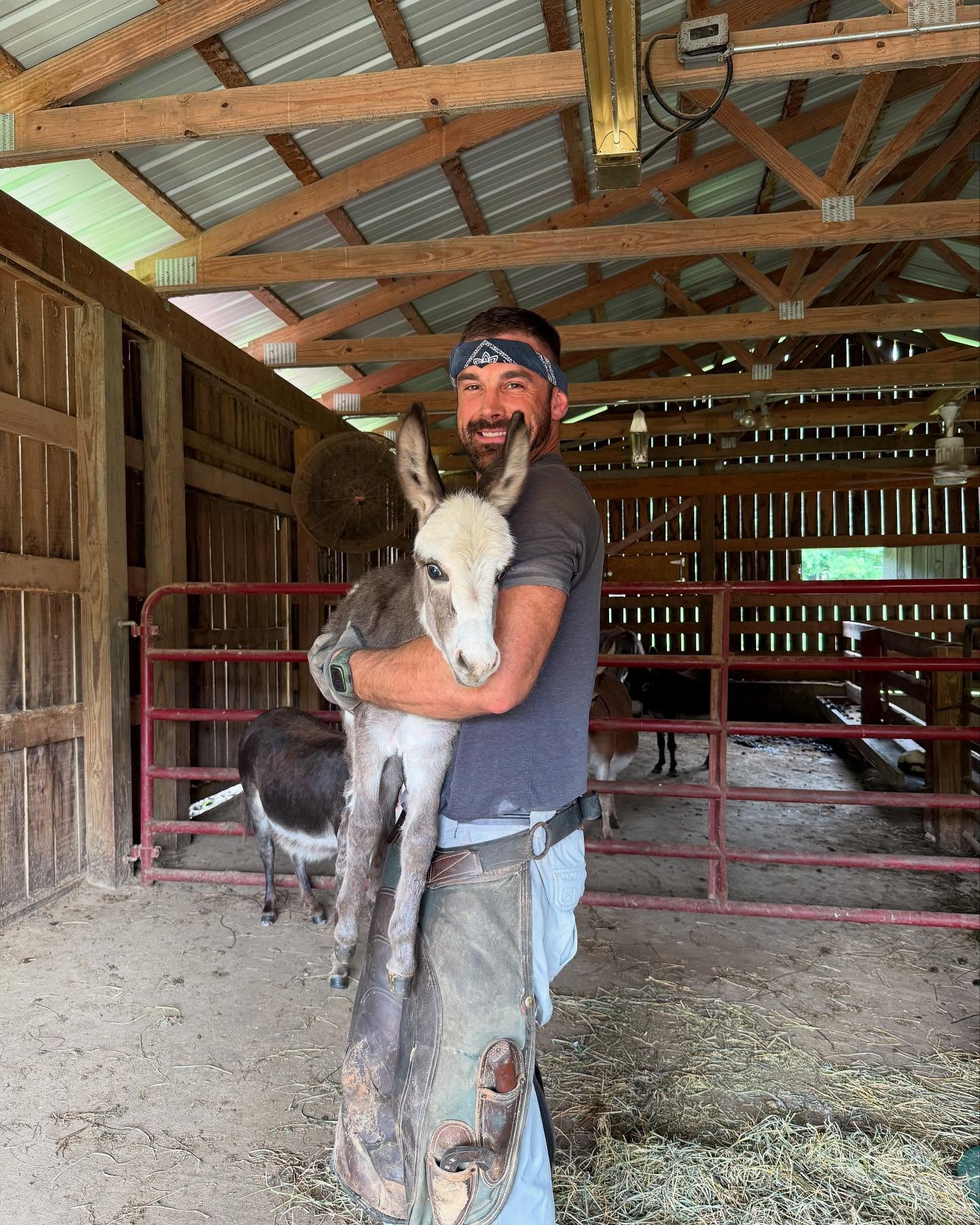
Pygmy Donkey for Sale: How to Avoid Overfeeding
Introduction
Having a pygmy donkey for sale is really great. Pygmy donkeys are nice and smart. They are good for families, people who have small farms, and people who own a little land. A lot of people who get pygmy donkeys for the first time have a hard time feeding them the right way. This is a problem.
Pygmy donkeys need to eat the right food so they do not get too fat. Pygmy Donkey for Sale: How to Avoid Overfeeding is a book that can help people who own pygmy donkeys. This book will show pygmy donkey owners how to keep their pygmy donkeys healthy, how to make sure they do not get too fat, and how to help them live a happy life with their pygmy donkey.
We have pygmy donkeys for sale to people all over the world. It does not matter if you live in North America, Europe, Africa, Asia, or Australia; we will help you learn how to take care of your pygmy donkey. We want to make sure you know how to feed your pygmy donkey properly. Feeding too much can make your pygmy donkey sick. We teach you how to feed your pygmy donkey the right amount so you can have your pygmy donkey as a friend for a long time. We really care about our pygmy donkeys and want you to have a great experience with your new pet.
Understanding Pygmy Donkeys
Size and Space Requirements
Pygmy donkeys are really small. They do not take up a lot of space and are very friendly. They get along well with people. Pygmy donkeys are related to standard donkeys, but they are much smaller. This makes them a great choice for people who have small pastures or limited property because pygmy donkeys do not need a lot of room to move around.
Dietary Needs
Pygmy donkeys need the same type of food as bigger donkeys, but in smaller amounts. Overfeeding can lead to obesity, laminitis, and other health issues. The Pygmy Donkey for Sale: How to Avoid Overfeeding program teaches owners how to provide the right amount of food to keep their pygmy donkeys healthy and fit.
Physical and Behavioral Traits
-
Small size, typically 24–36 inches at the shoulder
-
Gentle and friendly disposition
-
Highly social and enjoys companionship
-
Active and enjoys grazing throughout the day
Knowing these traits helps owners determine how much exercise and food a pygmy donkey requires. This ensures they get the right balance of activity and nutrition to stay healthy.
Why Overfeeding is a Common Problem
People often overfeed pygmy donkeys because they think small animals need more food. Feeding too much can cause:
-
Obesity
-
Digestive problems
-
Laminitis
-
Reduced mobility
-
Shortened lifespan
The Pygmy Donkey for Sale: How to Avoid Overfeeding guidance helps owners understand portion control, pasture grazing, and supplement needs.
Daily Nutritional Requirements
Forage
Pygmy donkeys need a diet mainly consisting of forage such as:
-
Grass pasture
-
Hay (timothy, Bermuda, or orchard grass)
-
Browse, including shrubs and leaves
They should consume about 1.5–2% of their body weight daily. Overfeeding hay or grain can quickly lead to obesity.
Fresh Water
Fresh, clean water is essential for digestion and overall health. Pygmy donkeys should always have access to water.
Supplements
Sometimes forage does not provide all necessary nutrients. Appropriate supplements include:
-
Mineral blocks or loose minerals
-
Vitamin supplements if deficiencies exist
-
Salt blocks
Always consult a veterinarian or follow our program before introducing supplements.
Pasture Management for Pygmy Donkeys
Rotational Grazing
Divide land into paddocks and move pygmy donkeys every 1–2 weeks. This ensures:
-
Continuous access to fresh forage
-
Pasture recovery and soil health
-
Reduced parasite risks
Forage Diversity
Plant a mix of grasses and legumes for balanced nutrition. Avoid toxic plants like nightshade, ragwort, and foxglove.
Soil and Fertility Management
Regularly check soil health and add fertilizers as needed to maintain nutritious forage for pygmy donkeys.
How to Monitor Your Pygmy Donkey’s Weight
Signs to watch for:
-
Visible ribs or hip bones
-
Excess fat deposits
-
Changes in energy levels
-
Hoof problems
Adjust food portions as needed and consult a veterinarian if significant weight changes occur.
Recommended Feeding Schedules
Maintaining a consistent schedule helps prevent overfeeding:
-
Morning: Fresh forage and water
-
Midday: Limited hay or browse
-
Evening: Supplementary minerals if needed
Feed small amounts throughout the day to mimic natural grazing behavior.
Treats and Special Considerations
-
Small amounts of apples or carrots
-
Avoid processed human foods
-
Limit high-sugar treats
Treats should be given sparingly and should not replace forage.
Feeding Young Pygmy Donkeys
Foals and young pygmy donkey for sale need special attention:
-
Provide high-quality forage and milk replacer if separated from the dam
-
Gradually introduce hay and browse
-
Monitor growth and development carefully
Following the Pygmy Donkey for Sale: How to Avoid Overfeeding program ensures proper growth and long-term health.
Feeding Senior Pygmy Donkey for Sale
Older pygmy donkeys may need:
-
Softer forage for dental issues
-
Reduced calorie intake to prevent obesity
-
Additional supplements for joint and digestive health
We provide guidance to help senior pygmy donkeys stay healthy and active.
Worldwide Feeding Considerations
Feeding strategies vary globally:
-
North America: Seasonal forage variation, indoor feeding during winter
-
Europe: Balancing pasture rotations on small properties
-
Africa: Drought-tolerant forage and supplemental feeding
-
Asia: Locally available hay and feed options
-
Australia: Dryland grazing management and water supply
Our program supports pygmy donkey owners worldwide with tailored feeding guidance.
Common Feeding Challenges
Limited Pasture
Provide hay or safe browse if pasture is scarce to prevent malnutrition.
Overgrazing
Rotational grazing prevents pasture damage and ensures continuous food availability.
Seasonal Changes
Store hay for winter and consider indoor feeding to maintain proper nutrition.
Tips for Efficient Feeding
-
Use Hay Nets: Reduce waste and encourage slow feeding
-
Group Feeding: Prevent competition among donkeys
-
Track Forage Quality: Monitor growth, color, and nutrient content regularly
-
Regular Vet Checkups: Monitor weight, digestion, and overall health
Why Choose Our Pygmy Donkeys
When you buy a pygmy donkey for sale from us, you receive:
-
Guidance on portion control and diet management
-
Assistance with pasture and supplement planning
-
Tips for young and senior donkeys
-
Ongoing worldwide support
Every Pygmy Donkey for Sale comes with the How to Avoid Overfeeding program to ensure your donkey stays healthy, regardless of location.
Final Thoughts: Pygmy Donkey for Sale: How to Avoid Overfeeding
Overfeeding is a common mistake for first-time pygmy donkey for sale owners. By following proper feeding schedules, monitoring weight, and providing balanced nutrition, your pygmy donkey will remain healthy, active, and happy.
We sell pygmy donkeys worldwide and provide comprehensive guidance to all our clients. No matter where you are—from North America to Australia—we support you in keeping your pygmy donkey healthy and preventing overfeeding.
If you are ready to purchase a pygmy donkey for sale or need expert feeding guidance, contact us today. Our worldwide team is committed to supporting you and your pygmy donkey every step of the way.
No comment