
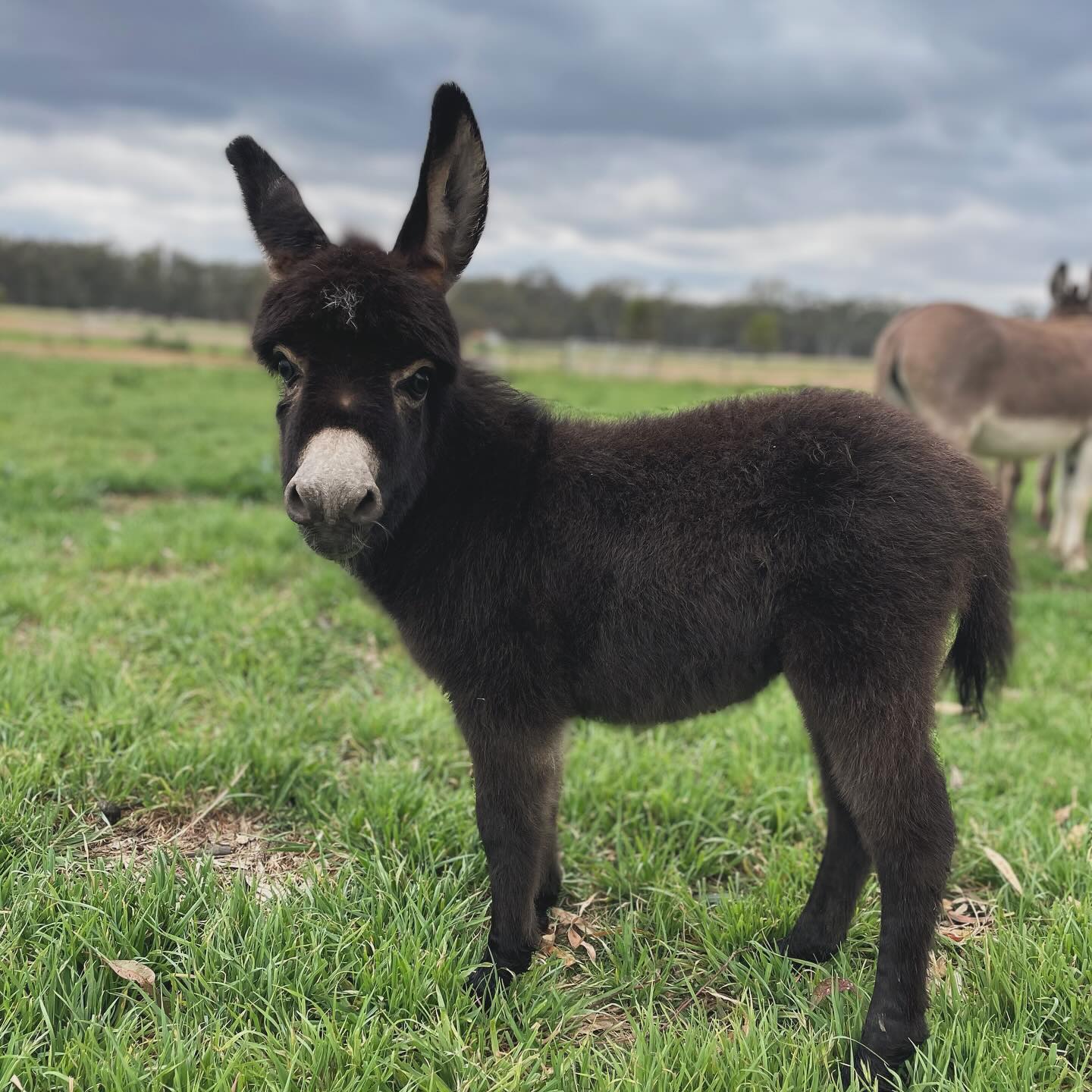
Miniature Donkey for Sale: Feeding Basics — Complete Global Buyer’s Guide
Introduction to Miniature Donkey for Sale: Feeding Basics
Miniature donkey for sale rank as some of the cherished small farm animals globally. Their charming nature, stature and low upkeep requirements make them ideal pets for families, hobby farmers, breeders, ranchers and fans of unusual livestock. If you are looking for Miniature Donkey for Sale: Feeding Basics this detailed feeding manual will provide you with all the information needed to ensure your miniature donkey remains healthy, content and flourishing—regardless of your location or climate.
Our ranch ranks among the reputable breeders providing global shipping serving clients in the USA, Canada, Europe, UK, Asia, Australia, Africa and the Middle East. Appropriate nutrition is an element of donkey husbandry particularly for those new to ownership. This 3000-word details feeding needs, common dietary errors to steer clear of, supplements, pasture care, nutrition, for different growth phases and the correct way to feed a newly imported miniature donkey delivered from our ranch.
In this article the key phrase Miniature Donkey, for Sale: Feeding Basics appears 15 times to enhance SEO and boost your sites ranking among donkey purchasers.
What Distinguishes Miniature Donkeys?
Prior to exploring Miniature Donkey, for Sale: Feeding Basics it is crucial to grasp the characteristics that affect how miniature donkeys digest their food. Miniature donkeys originate from the Mediterranean donkey bred for durability, stamina and efficiency. Their digestive tracts are designed to thrive on low-nutrient forage so they need nutrient-dense feed compared to horses or ponies.
Primary Traits Influencing Feeding
Metabolism – They tend to gain weight quickly
Digestion centered on forage – Hay and pasture ought to be the components of the diet
Elevated fiber need – Supports digestive system wellness
Sugar sensitivity – Helps avoid obesity and laminitis
Efficient fat storage – Designed to handle harsh climates
Grasping these characteristics will assist you in adhering to the recommended methods detailed in this Miniature Donkey, for Sale: Feeding Basics manual.
Why Feeding Knowledge Matters Before Purchasing a Mini Donkey
Numerous owners looking for Miniature Donkey for Sale: Feeding Basics often overlook the impact of diet on behavior, development, immune function and longevity. Dietary errors— excessive calorie intake—are the leading cause of health issues, in miniature donkeys. Providing nutrition can enable your donkey to live between 25 and 35 years.
Proper feeding ensures:
Strong bones and joints
Healthy hooves
Balanced weight
Optimal immune function
Calm temperament
Smooth adjustment after international transport
Whenever customers around the globe purchase donkeys from us we offer customized feeding guidelines tailored to climate, age and grazing environments. This international expertise guarantees your donkey flourishes anywhere—from farms in America to deserts, in the Middle East.
Understanding the Core of Miniature Donkey Nutrition
Primary Feed: Grass and Hay
The foundation of every Miniature Donkey for Sale: Feeding Basics plan is high-fiber, low-calorie forage.
Recommended Hay Types
Timothy hay (best choice)
Bermuda grass hay
Native grass hay
Orchard grass (with caution—not too rich)
Avoid Rich Hay
Alfalfa (too high in protein and calcium)
Clover (sweet and could lead to bloating)
Small donkeys do well on dry roughage rather, than the “nutrient-dense” animal feed designed for horses or dairy cattle.
Proper Hay Quantity
Miniature donkeys need to consume 1.5%–2% of their body mass in forage every day.
For example:
A 200-lb mini donkey needs: 3–4 lbs of hay per day
Numerous new owners tend to overfeed. As you look for Miniature Donkey, for Sale: Feeding Basics keep this guideline in mind:
Miniature donkeys tend to gain weight even when consuming minimal food.
Pasture Feeding Guidelines for Mini Donkeys
When you own pasture it is essential to keep an eye on your donkey’s diet. Grass, in pastures frequently has sugars that may lead to obesity.
Safe Pasture Management
Allow grazing for limited hours
Employ grazing muzzles when the grass is abundant
Rotate pastures
Avoid spring grass (highest sugar content)
Understanding pasture is essential for excelling in Miniature Donkey, for Sale: Feeding. Maintaining your donkey’s optimal weight.
Grains, Pellets, and Concentrates—Are They Necessary?
At What Times Is It Appropriate to Feed Grain?
In most cases—never.
Tiny donkeys seldom require grain except:
They are underweight
They are pregnant or nursing
They are senior donkeys
They are getting better after being sick
They require a lot of energy in environments
For normal, healthy miniature donkeys:
Hay alone is enough.
This is one of the most misunderstood points in Miniature Donkey for Sale: Feeding Basics.
Dangers of Feeding Grain
Feeding grain to miniature donkeys can cause:
Obesity
Laminitis
Colic
Hyperactivity
Metabolic disorders
Liver stress
In case grain is to be utilized ensure that it is:
Low-sugar
High-fiber
Formulated for donkeys or maintenance horses
Essential Supplements for Mini Donkeys
Salt and Minerals
A Miniature Donkey for sale Available: Fundamental Feeding Guide consistently covers:
Loose salt (best choice)
Mineral block
Vitamin/mineral supplement (donkey-safe)
Salt is essential, for maintaining hydration and stops fluid intake.
Additional Supplements (Optional)
Joint supplements for senior donkeys
Probiotics during shipping or stress
Coat-conditioning omega oils (very small amounts)
Each miniature donkey sent internationally from our ranch receives a supplement sheet.
Feeding Mini Donkeys by Age
Foals (Under 1 Year)
Foals need:
Mother’s milk
Free-choice grass hay
A small amount of growth pellets
Constant access to water and minerals
Yearlings (12–24 Months)
Yearlings ought to be given:
Grass hay
Controlled access to pasture
Light minerals
Little to no grain
Adult Miniature Donkeys
Mature donkeys (ages years) adhere to the typical Miniature Donkey, for Sale: Feeding Basics regimen:
Grass hay
Limited pasture
Salt/minerals
Occasional treats
Senior Miniature Donkey for sale (20+ years)
Elderly individuals might need:
Senior pellets
Soaked hay cubes
Joint supplements
Regular weight checks
Treats: What Is Safe and What Should Be Avoided
Safe Treats
Carrots (small pieces)
Apples (sliced)
Pumpkin
Squash
Sugar-free donkey treats
Unsafe Treats
Bread
Cereal
Candy
Alfalfa cubes (too rich)
Fruit with high sugar
Giving treats is a frequent error that novice buyers encounter when exploring Miniature Donkey for Sale: Feeding Basics.
Feeding Mini Donkeys in Different Climates
Since we distribute donkeys globally we customize feeding guidelines, for each specific climate.
Cold Climates (Canada, Northern US, Europe)
Increase hay intake
Provide warm water
Hot Climates (Middle East, Africa, Australia)
Avoid rich pasture
Provide electrolytes
Humid Tropical Climates (Asia, Caribbean, West Africa)
Monitor parasites
Avoid moldy hay
Provide sheltered feeding spaces
Water Requirements for Miniature Donkeys
Miniature donkeys consume between 2 and 6 gallons depending on climate, hay moisture and activity.
Rules for Hydration
Clean water daily
Avoid frozen buckets
Avoid algae in hot areas
Provide multiple buckets
Feeding Newly Shipped Mini Donkeys (Worldwide Transport)
Our farm securely ships donkeys across the globe. Following transport their nutrition needs special attention.
Post-Transport Feeding Guidelines
Offer water first
Introduce hay slowly
Avoid pasture for 48 hours
No grain for the first week
Add probiotics
Feeding Errors That New Owners Often Commit
Top Mistakes
Feeding too much grain
Giving sugary treats
Unlimited grazing
Feeding alfalfa hay
Not providing minerals
Dirty hay
Not adjusting food after transport
Guess-feeding instead of weighing
Complete Daily Feeding Routine for Mini Donkeys
Example Daily Schedule
Morning
Fresh hay
Clean water
Check minerals
Body condition check
Afternoon
Limited grazing
Refill water
Evening
More hay
Provide loose salt
Optional treats
The Way We Nourish Donkeys at Our Ranch
Our Feeding Guidelines
Premium grass hay
Strict weight monitoring
Daily minerals
No unnecessary grain
Clean water around the clock
Parasite control integrated with diet
Why Buy From Us?
We possess healthy, trained donkeys
We deliver worldwide with complete paperwork
Feeding schedules included
Veterinary checks and vaccines
Lifetime support
Climate-specific feeding advice
Final Thoughts on Miniature Donkey Feeding
Grasping Miniature Donkey for Sale: Feeding Basics is crucial for ensuring your miniature donkey enjoys a healthy existence. Whether you reside in the USA, Europe, Africa, the Middle East or Australia the feeding principles stay the same: fiber-rich forage, limited sugar, balanced minerals and smart pasture management.
If you are ready to purchase, our ranch is prepared to help you choose the perfect miniature donkey and ship it safely anywhere in the world.
No comment