
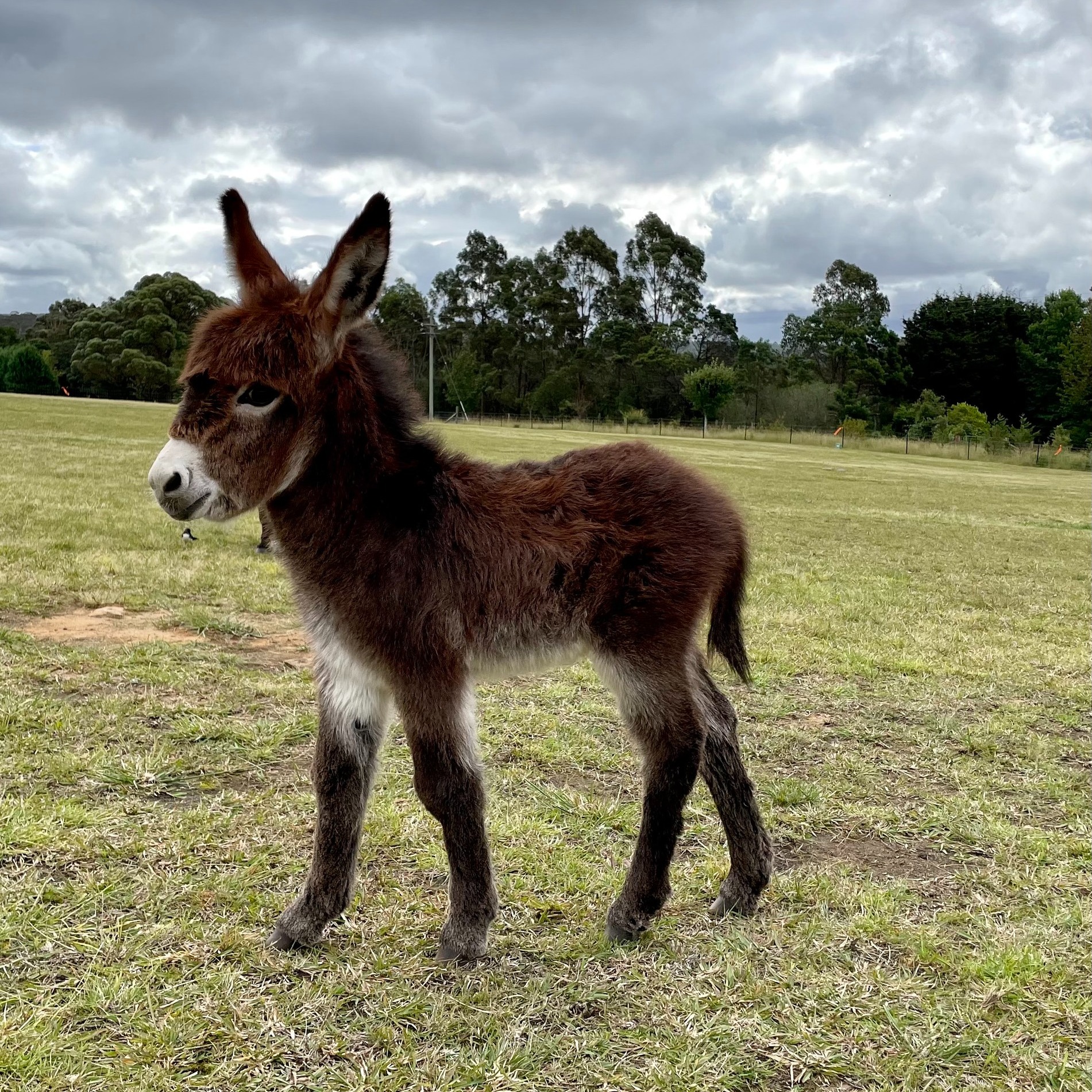
Miniature Burro for Sale: Training Tips — Complete Global Guide
Locating a Miniature Burro for Sale: Training Tips entails more than choosing the appropriate size, color or age. These tiny, clever and gentle creatures are well-known for their versatility, intellect and loving disposition. Whether seeking a companion, a pet, for your kids or a small farm assistant adequate training guarantees your miniature burro for sale remains content, healthy and secure.
At our ranch we sell burros and ship them internationally. Each buyer is given advice on training, handling, behavior and appropriate care. This article acts as a resource for owners wanting to learn how to nurture, train and connect with their miniature burro regardless of their global location.
Why Training Is Crucial for Miniature Burros
Prior to buying a Burro for Sale: Training Tips it is crucial to recognize the importance of training. miniature burro for sale similar to all equines, possess personalities and behavioral traits. Appropriate training guarantees:
Better Behavior and Safety
Training stops unsafe actions and assists your burro in reacting correctly to instructions. This is particularly crucial in homes with kids or other pets.
Enhanced Bonding
Regular training builds confidence between the burro and its handler. A trained miniature burro tends to be more loving and simpler to handle.
Stress Reduction
miniature burro for sale may undergo stress when being transported, receiving treatment or facing environmental shifts. Proper training helps them stay relaxed and attentive in circumstances, which is particularly crucial for international customers obtaining their burro through shipping.
Longevity and Health
miniature burro for sale that receive training are less likely to sustain injuries from sudden movements, enhancing their general health and welfare.
Understanding Miniature Burro Behavior
Prior to beginning training for a miniature burro for sale , it is crucial to comprehend its innate behavior.
Intelligent and Curious
Miniature burros are inherently curious and clever. They rapidly grasp instructions, investigate their environment and adjust to unfamiliar settings when given appropriate direction.
Social Animals
Burros are creatures that do well when they have company, whether it’s another burro or suitable animals such as goats, sheep or horses. Without interaction they may experience stress and develop behavioral issues.
Calm but Wary
Miniature burros tend to be more tranquil than horses yet they are watchful and evaluate their surroundings prior to responding. This conduct guarantees safety and also demands patience throughout training.
Vocal Communicators
Burros convey messages through brays, snorts and grunts. Recognizing these cues enables owners to foresee their needs and feelings, aiding in training.
Herd Instincts
Even little burros show herd instincts. They might imitate the behaviors of animals or seek direction from companions. Understanding this characteristic can help in training and managing them as a group.
Key Training Tips for Miniature Burros
The Miniature Burro for Sale: Training Tips provided below aim to assist owners in nurturing a well-mannered and happy miniature burro.
Start with Early Socialization
Start training and socializing at the earliest opportunity. Young burros that encounter people, other animals and various surroundings build confidence and flexibility.
-
Introduce your burro to various sights, sounds, and surfaces gradually.
-
Encourage interactions with other animals and humans.
-
Reward calm behavior with treats, praise, or gentle petting.
Positive Reinforcement
Miniature burros learn effectively through positive reinforcement. Using harsh techniques can lead to anxiety or lack of trust.
-
Use treats or small snacks to reward desired behavior.
-
Spoken compliments or soft touches encourage behaviors.
-
Consistency guarantees they link rewards to behaviors.
Desensitization
Introduce your burro slowly to scary items, noises or events, such as grooming, hoof maintenance or travel.
-
Start with short sessions.
-
Let the burro roam freely at its speed.
-
Reward calm behavior with treats or verbal praise.
Short and Frequent Training Sessions
Miniature burros possess limited attention spans. Training yields results when done in brief, regular sessions instead of prolonged tiring ones.
-
5–10 minutes per session, multiple times per day.
-
Focus on one skill at a time to avoid confusion.
Clicker Training
Clicker training employs a noise to indicate behavior, which is then followed by a treat. This technique is effective with burros because of their smartness and attentiveness.
-
Pair the click sound with treats consistently.
-
Use it to teach commands, movement, and social behavior.
Common Behavioral Challenges and Solutions
Thoroughly trained miniature burros may display difficult behaviors. Recognizing problems allows for effective proactive handling.
Stubbornness
Burros are smart and careful, traits that are often confused with obstinacy. Regular, patient instruction combined with reinforcement typically addresses this.
Separation Anxiety
Small burros may experience stress if isolated. Offer company and slowly extend the duration apart to encourage self-reliance.
Destructive Behavior
Gnawing on fences or items might suggest boredom or a lack of nutrients. Offer activities, balanced diet and regular physical activity to reduce this behavior.
Aggression
Hostile conduct is uncommon but may arise from anxiety, fright or inadequate social exposure. Tackle the underlying issue in a steady manner, employing training and changes to the surroundings.
Housing and Environmental Influence on Training
The surroundings of your burro significantly influence its behavior and effectiveness in training.
Shelter
Offer defense against sunlight, breeze and precipitation. A cozy, secure refuge promotes good conduct and aids in training.
Pasture Design
Expansive spaces allow for natural grazing, roaming and playing. Prevent overcrowding, as it may lead to stress and undesirable behaviors.
Enrichment
Provide toys, scratching posts or obstacle courses. Enrichment exercises engage your burro’s mind and help lessen destructive behaviors.
Nutrition and Its Role in Behavior
The behavior of burros is directly affected by feeding methods.
Grazing and Foraging
Miniature burros instinctively feed on grasses, bushes and foliage. Offering chances fulfills their instincts and avoids dullness.
Small Frequent Meals
Provide your burro with small feedings instead of a single large meal. This approach promotes good behavior and aids in maintaining digestive wellness.
Balanced Diet
Make sure the diet contains fiber, vitamins and minerals. Adequate nutrition supports calmness, concentration and general well-being.
Hoof and Health Maintenance
Consistent hoof maintenance and health evaluations support conduct and avert interruptions in training.
-
Inspect and clean hooves daily.
-
Schedule regular farrier visits every 6–10 weeks.
-
Monitor for signs of lameness, cracks, or abscesses.
-
Provide routine veterinary care and vaccinations.
Traveling and Shipping Considerations
For purchasers of Miniature Burro for Sale: Training Tips, transport plays a crucial role in preserving both behavior and health.
Pre-Travel Preparation
-
Check hooves and overall health before shipping.
-
Provide a calm, quiet environment before departure.
-
Familiarize the burro with travel crates or trailers.
Post-Travel Adjustment
-
Allow 24–48 hours of rest after arrival.
-
Offer familiar food, water, and bedding.
-
Monitor behavior closely and maintain short training sessions to rebuild trust.
Selecting a Miniature Burro for Sale
When purchasing a burro, take these elements into account to guarantee effective training:
Health Records
Request veterinary and farrier records to confirm the animal’s well-being.
Behavioral History
Inquire about previous training, handling, and socialization to understand temperament.
Global Shipping Support
Opt for breeders skilled in shipping. Correct treatment during transit minimizes stress and maintains behavior.
Post-Purchase Guidance
A trustworthy breeder offers assistance, including guidance on training, dietary recommendations and care guidelines.
Final Thoughts on Miniature Burro for Sale: Training Tips
Buying a Burro for Sale: Training Tips involves dedicating yourself to learning about their behavior, training demands, and care necessities. Appropriate instruction guarantees that your miniature burro stays healthy, content and well-mannered.
At our ranch we focus on burros and offer international shipping. Each purchaser is given training guidance, behavior handling tips and continuous assistance to guarantee their new friend flourishes in any environment.
Educating your burro goes beyond mere obedience—it builds a stronger connection, promotes safety and helps your burro enjoy a long, satisfying life. Whether used for companionship, therapy, or as a small-scale farm helper, adhering to these training guidelines ensures an effective process.
Remember, your miniature burro’s happiness starts with proper training, socialization, and care. Our global expertise ensures every burro we sell arrives ready to adapt to its new home anywhere in the world.




No comment