
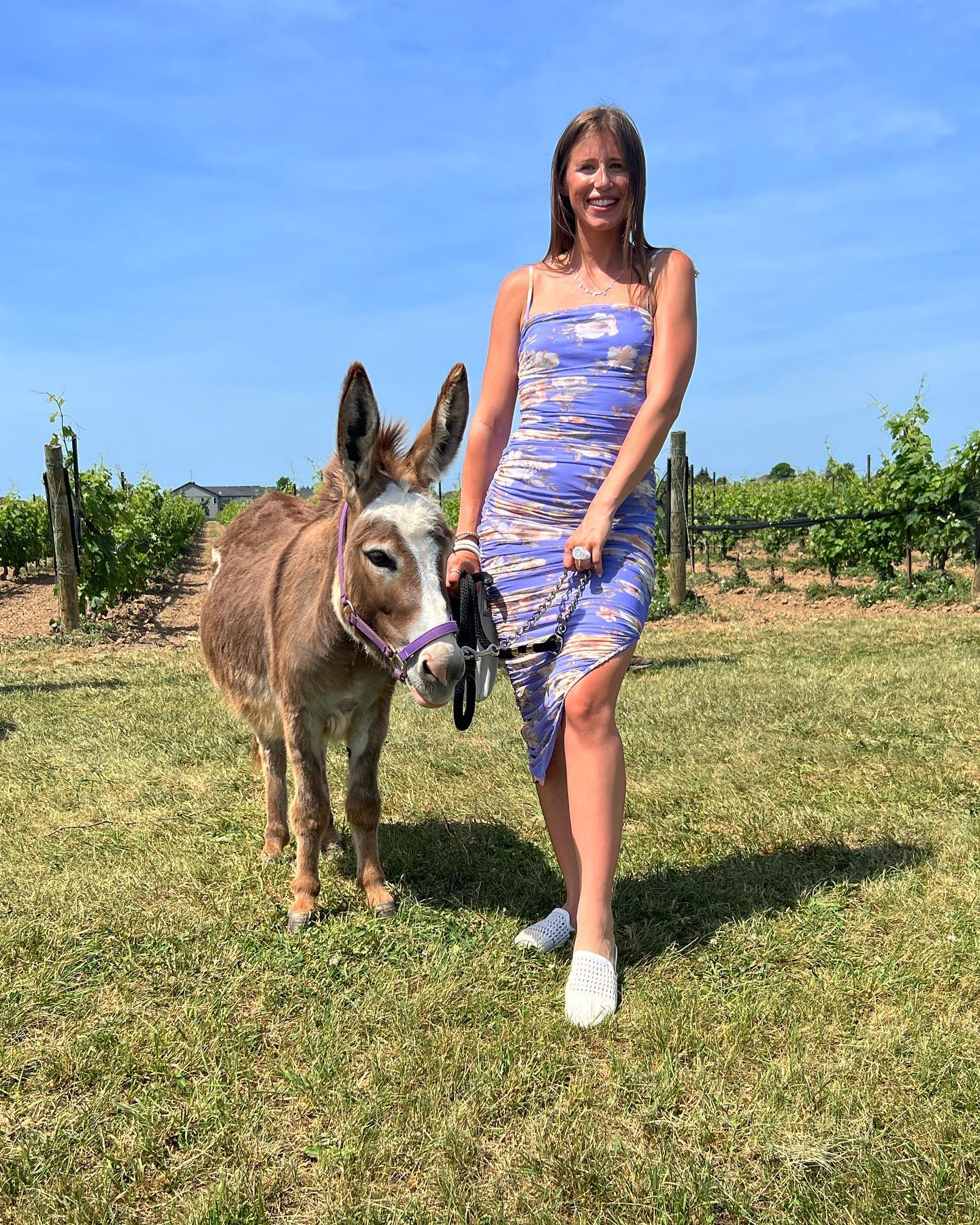
Mini Donkey Price: Feeding Cost Comparison (Complete Global Buyer’s Guide)
Mini donkey price have grown to be among the sought-after companion livestock animals internationally. Their calm nature, size, cleverness and sensitivity to emotions make them perfect, for households, small farms, therapeutic initiatives and animal enthusiasts everywhere. Nevertheless potential owners frequently inquire about an issue before acquiring one: What are the actual expenses involved in owning a mini donkey particularly regarding their diet?
This detailed guide on Mini Donkey Price: Feeding Cost Comparison covers all you need to understand about feeding costs, regional price variations, types of diets long-term cost-effectiveness and how mini donkeys stack up against farm animals. Whether your residence is, in North America, Europe, Africa, Asia, Australia or the Middle East this article will assist you in making a informed choice.
At Paramount Mini Ranch we focus on bred mini donkeys and offer secure international shipping, full paperwork and lifelong assistance for buyers. Knowing the expenses of feeding is essential for care—and a major factor, behind the widespread popularity of mini donkeys worldwide.
Understanding the Mini Donkey Price: Feeding Cost Comparison
When considering the cost of owning a mini donkey, the biggest share of monthly spending is, on feeding. Luckily mini donkeys rank as one of the cost-effective types of livestock to care for.
In contrast to horses or sized donkeys mini donkeys possess slower metabolic rates and do well on basic forage-centered diets. This results in the Mini Donkey Price: Feeding Cost Comparison being highly advantageous, for ownership.
Primary elements affecting feeding expenses include:
-
Pasture availability
-
Hay prices by region
-
Climate conditions
-
Donkey age and condition
-
Feeding management practices
Average Feeding Costs for Mini Donkeys Worldwide
A major benefit emphasized in any Mini Donkey Price: Feeding Cost Comparison is cost-effectiveness.
Global Average Monthly Feeding Cost
-
Pasture-based systems: $20–$40 per month
-
Hay-supplemented systems: $40–$70 per month
-
Hay + supplements (limited pasture): $60–$90 per month
Although these figures differ depending on the country and climate mini donkeys continue to be economical, in almost every part of the globe.
Pasture Feeding vs Hay Feeding: Cost Differences
Pasture-Based Feeding (Lowest Cost Option)
Mini donkeys are natural grazers. In regions with good grass availability, feeding costs are minimal.
Pasture advantages:
-
Lowest ongoing expense
-
A wholesome diet enhances health
-
Reduced need for hay
Estimated cost:
$0–$30 per month
When assessing Mini Donkey Price: Feeding Cost Comparison having access, to pasture stands out as the significant way to reduce expenses.
Hay Feeding (Seasonal or Year-Round)
Hay becomes necessary in regions that’re colder or have drier conditions.
Average hay consumption:
-
1–1.5% of body weight daily
-
Typical mini donkey weight: 200–400 lbs
Monthly hay cost:
$25–$60 per donkey
Despite including hay, the Mini Donkey Price: Feeding Cost Comparison is still notably less, than that of farm animals.
Grain Feeding: Is It Necessary?
A cost benefit, in the Mini Donkey Price: Feeding Cost Comparison is that typically no grain is needed.
Grain can solely be utilized for:
-
Pregnant or lactating jennets
-
Growing foals
-
Underweight rescues
If used:
-
$10–$25 per month
-
Often temporary
The majority of grown donkeys do well on just forage, which helps minimize feeding costs.
Mineral and Supplement Costs
Minerals are a small but essential part of feeding.
Typical Monthly Mineral Costs
-
Salt block: $2–$5
-
Trace mineral supplement: $5–$10
Total: $7–$15 per month
In any realistic Mini Donkey Price: Feeding Cost Comparison, minerals are low-cost but vital for long-term health.
Feeding Cost Comparison: Mini Donkey vs Other Animals
This comparison demonstrates why mini donkeys represent such a cost- option.
| Animal Type | Monthly Feeding Cost |
|---|---|
| Horse | $150–$300 |
| Standard Donkey | $80–$150 |
| Goat | $60–$120 |
| Mini Donkey | $30–$90 |
The cost of feeding shows that Mini Donkeys are more economical making them the preferable choice, in terms of price.
Feeding Costs by Climate and Region
Cold Climates (Canada, Northern Europe)
-
Higher winter hay usage
-
Slightly higher costs: $50–$90/month
Warm Climates (Africa, Middle East)
-
Year-round grazing
-
Minimal hay
-
$25–$50/month
Temperate Regions (USA, UK, Australia)
-
Balanced pasture and hay
-
$30–$70/month
Mini donkeys adjust well maintaining favorable Mini Donkey Price: Feeding Cost Comparison globally.
Feeding Costs for Mini Donkey Foals
Foals possess distinct requirements.
Pre-Weaning
-
Milk from dam
-
Minimal added cost
Post-Weaning
-
Hay and pasture
-
Optional grower feed
Monthly average:
$30–$60
At Paramount Mini Ranch every foal sold abroad is completely. Capable of eating on their own guaranteeing seamless transitions.
Feeding Two Mini Donkeys: Cost Efficiency
Mini donkeys require company, which typically involves having a pair.
Good news:
-
The expense of feeding doesn’t increase twofold
-
Shared hay, minerals, pasture
Two donkeys monthly feeding cost:
$60–$150 total
This renders owning a pair economical in the Mini Donkey Price: Feeding Cost Comparison.
Concealed Expenses Associated with Feeding
Minor but important:
-
Hay storage
-
Feed bins
-
Seasonal supplements
Budget an extra $5–$15 per month to stay prepared.
Ways Responsible Breeding Lowers Feeding Expenses
A key factor in the Mini Donkey Price: Feeding Cost Comparison is breeder quality.
Well-bred donkeys:
-
Maintain healthy weight naturally
-
Digest forage efficiently
-
Require fewer supplements
At Paramount Mini Ranch our donkeys are bred to ensure health, gentle disposition and low upkeep—minimizing ongoing feeding costs.
International Buyers: Feeding Costs After Shipping
Global shipping does not raise feeding expenses over the run.
Our offerings include:
-
Feeding transition plans
-
Regional feed substitutions
-
Climate-specific advice
This guarantees that the Mini Donkey Price: Feeding Cost Comparison remains precise regardless of your location.
Why Mini Donkeys Are Ideal for Budget-Conscious Buyers
Miniature donkeys provide:
-
Low feeding costs
-
Simple diets
-
Minimal waste
-
Long lifespan
This mix renders them among the cost-effective pets worldwide.
Frequently Asked Questions About Feeding Costs
Do mini donkeys require feeding?
No. The Mini Donkey Price: Feeding Cost Comparison indicates they rank as one of the economical animals to care for.
Is it possible, for feeding expenses to rise over time?
Minimal changes occur with age or pregnancy. Overall expenses stay consistent.
Are feeding costs higher outside the USA?
Frequently not. Numerous areas offer affordable forage and hay.
Reasons Global Buyers Prefer Paramount Mini Ranch
Worldwide purchasers rely on us due, to our provision of:
-
Ethically bred mini donkeys
-
Transparent cost education
-
Worldwide shipping
-
Health documentation
-
Lifetime feeding support
We make certain that each purchaser comprehends the Mini Donkey Price: Feeding Cost Comparison prior, to buying.
Final Thoughts: Mini Donkey Price: Feeding Cost Comparison
Grasping feeding expenses is crucial for ownership. This Mini Donkey Price: Feeding Cost Comparison demonstrates that mini donkeys rank among the economical, versatile and gratifying creatures to keep anywhere, in the world.
Their straightforward eating habits, minimal monthly costs and calm temperament render them perfect, for households, agricultural environments and therapeutic contexts worldwide.
At Paramount Mini Ranch we take pride in providing donkeys for sale globally including shipping, documentation and continuous support.
If you’re ready to explore availability or want personalized feeding advice for your region, contact us today and take the next step toward owning a healthy, happy mini donkey—anywhere in the world.



No comment