
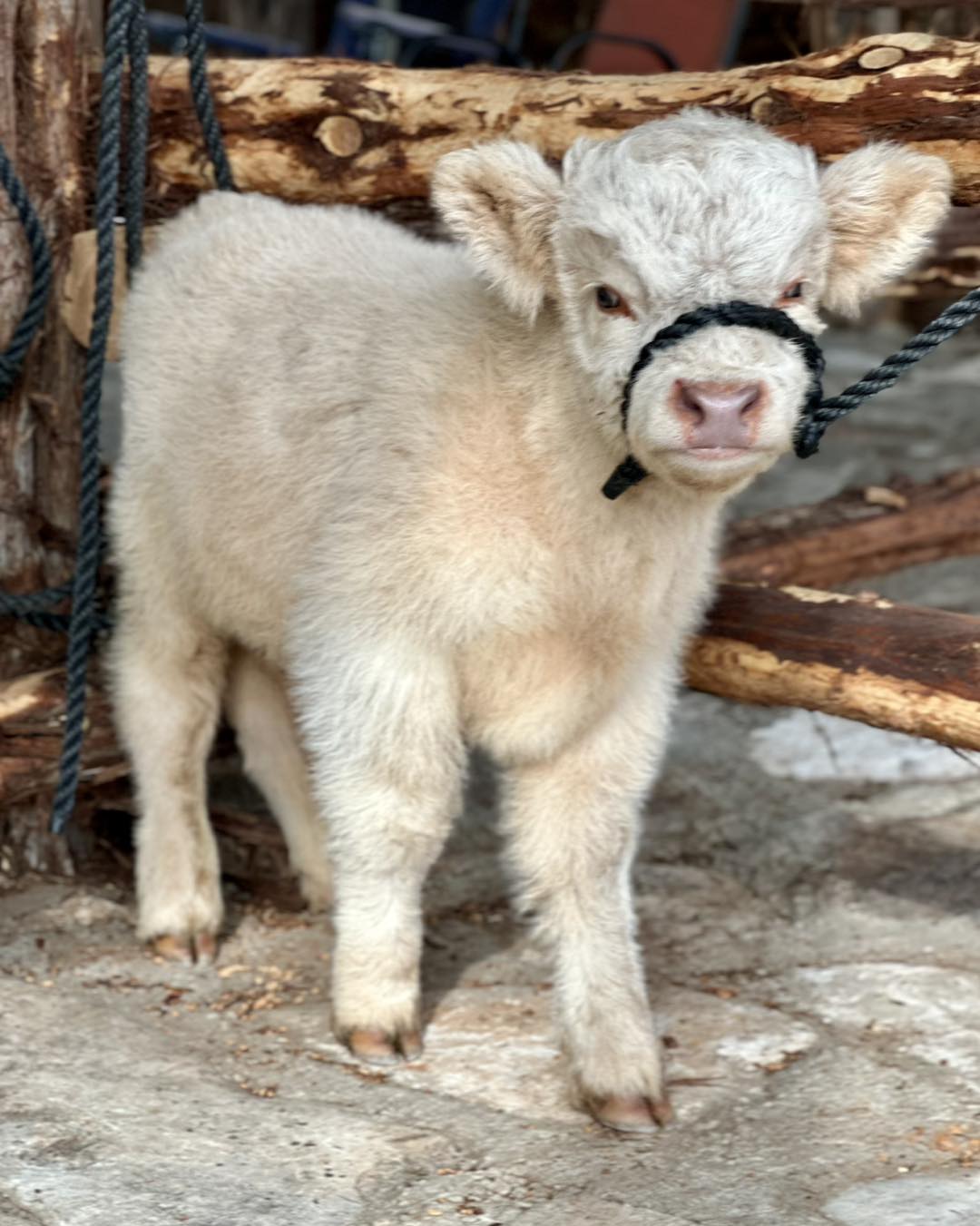
Mini Highland Cattle for Sale: Disease Prevention Tips
When you are looking for Mini Highland Cattle for Sale you need to think about more than how they look and how big they are. The health of Mini Highland Cattle is very important. So is how long they live and how well you take care of them. This is just as important as their personality and how beautiful they are. Mini Highland Cattle are loved by people around the world because they are strong, have thick coats, and are really calm. People who own Mini Highland Cattle still have to make sure they prevent diseases from happening to their Mini Highland Cattle.
If you have a farm in North America, Europe, Australia, or Africa, you need to know about Mini Highland Cattle for Sale: Disease Prevention Tips. This is important if you want your farm to succeed for years. Taking care of your Mini Highland Cattle before they get sick helps save money on bills and keeps your Mini Highland Cattle healthy and productive.
We have Mini Highland cattle for sale worldwide. Mini Highland cattle for sale are very important to us. We make sure Mini Highland cattle are healthy from birth to adulthood. This guide is about how to keep Mini Highland cattle for sale from getting sick. We will cover strategies that work globally to prevent disease in Mini Highland cattle.
Why Disease Prevention Matters in Mini Highland Cattle
Stopping diseases before they happen is always better and cheaper than treating them afterward. Mini Highland cattle for sale are naturally hardy, but no cattle can completely avoid illness. Buyers looking for Mini Highland Cattle for Sale often want to ensure their animals remain healthy for years.
Benefits of Healthy Cattle
-
Live longer
-
Reproduce more reliably
-
Require fewer veterinary interventions
-
Adapt better to new environments
When cattle are moved internationally, preventive care is critical. Our breeding program prepares animals for export by ensuring their health and disease resistance from the start.
Understanding Common Diseases in Mini Highland Cattle
Knowing potential health problems before buying Mini Highland Cattle for sale is essential. This allows you to implement effective preventive measures.
Common Health Concerns
Mini Highland cattle may encounter:
-
Internal parasites (worms)
-
External parasites (lice, mites)
-
Respiratory infections
-
Clostridial diseases
-
Nutritional deficiencies
-
Hoof and foot issues
Most of these can be prevented with proper care. Responsible sellers provide buyers with guidance on disease prevention to ensure long-term health.
Biosecurity: The Foundation of Disease Prevention
Biosecurity is the first step in keeping Mini Highland Cattle healthy. It involves stopping diseases from reaching or spreading among your herd.
Key Biosecurity Practices
-
Quarantine new animals before introducing them to your herd
-
Limit visitor access to cattle areas
-
Disinfect equipment shared between farms
-
Avoid contact with unknown livestock
When we sell Mini Highland cattle internationally, they are health-checked and quarantined before transport to ensure disease-free arrival.
Vaccination Programs for Mini Highland Cattle
Vaccinations are crucial for preventing diseases in Mini Highland Cattle.
Core Vaccinations
-
Clostridial vaccines
-
Respiratory disease protection
-
Regional disease vaccines (per country requirements)
We guide international buyers on vaccination requirements, ensuring smooth transitions and healthy herds in their new locations.
Parasite Control Strategies
Parasites pose a significant threat to Mini Highland Cattle. Disease prevention tips should include strategies to control both internal and external parasites.
Internal Parasites
-
Managed through rotational grazing
-
Strategic deworming based on fecal testing
-
Avoiding overstocking pastures
External Parasites
-
Regular grooming and inspection
-
Clean bedding and shelters
-
Approved parasite treatments when necessary
Mini Highland cattle are hardy but still require preventive measures against parasites.
Nutrition and Disease Resistance
Proper nutrition strengthens immune systems and prevents disease in Mini Highland Cattle.
Balanced Feeding
-
High-quality pasture or hay
-
Clean water at all times
-
Free-choice minerals appropriate for your region
Malnutrition weakens cattle, making them more susceptible to illness. We provide nutritional guidance to international buyers to ensure healthy, disease-resistant animals.
Clean Housing and Environmental Management
A clean environment reduces exposure to harmful bacteria and viruses.
Shelter Best Practices
-
Dry bedding
-
Proper ventilation
-
Protection from wind and extreme heat
-
Regular manure removal
Even hardy Mini Highland Cattle need dry, comfortable shelters to prevent illness.
Hoof Care and Lameness Prevention
Healthy hooves prevent infections and mobility issues.
Hoof Health Tips
-
Avoid muddy or constantly wet ground
-
Trim hooves as needed
-
Inspect feet regularly for injuries or infections
Preventive hoof care is critical to maintain activity and productivity in your herd.
Stress Reduction and Immune Health
Stress weakens the immune system, making animals more susceptible to disease.
Stress-Reducing Practices
-
Gentle handling
-
Consistent routines
-
Adequate space
-
Social companionship
Mini Highland cattle are naturally calm, but reducing stress ensures long-term health.
Disease Prevention for Calves
Calves require special care to prevent early-life disease.
Calf Health Essentials
-
Adequate colostrum intake
-
Clean birthing environments
-
Gradual dietary transitions
-
Monitoring growth and behavior
Healthy calves grow into productive adults, ensuring long-term farm success.
Seasonal Disease Prevention Strategies
Disease risks vary by season, and preventive measures should adapt accordingly.
Winter Care
-
Increased nutrition
-
Dry bedding
-
Protection from wind chill
Summer Care
-
Shade and ventilation
-
Clean water access
-
Fly control measures
These strategies apply globally, from cold northern climates to tropical regions.
Monitoring and Early Detection
Early detection allows for prompt treatment and prevents disease spread.
What to Watch For
-
Changes in appetite
-
Lethargy
-
Nasal discharge
-
Weight loss
-
Changes in behavior
Veterinary attention is essential to maintain a healthy herd.
Quarantine and Herd Expansion
Quarantining new animals prevents disease introduction.
Quarantine Guidelines
-
Isolate new animals for 2–4 weeks
-
Observe for signs of illness
-
Perform health checks before mixing
International buyers should follow quarantine protocols to ensure disease-free herds.
Export Health Standards and International Buyers
Global buyers require assurance that Mini Highland Cattle for sale remain healthy during transport.
Pre-Export Measures
-
Veterinary health certificates
-
Export-compliant vaccinations
-
Disease testing per destination country
-
Pre-shipment conditioning
Our experience ensures safe, smooth transitions for worldwide buyers.
Long-Term Herd Health Planning
Preventive care is ongoing. Long-term strategies maintain healthy, productive cattle.
Long-Term Strategies
-
Annual veterinary evaluations
-
Updated vaccination schedules
-
Pasture management planning
-
Record keeping for health events
Consistent care ensures healthier, more productive cattle over time.
Sustainability and Ethical Disease Prevention
Preventive care can be eco-friendly, reducing chemical use and supporting sustainable farming.
Benefits
-
Reduced chemical use
-
Healthier soil through pasture rotation
-
Lower carbon footprint per animal
Mini Highland Cattle thrive worldwide while supporting sustainable farming practices.
Final Thoughts on Mini Highland Cattle for Sale Health
Buying Mini Highland cattle for sale means acquiring hardy, environmentally friendly animals. By following these disease prevention tips, your herd will thrive globally.
If you are looking for Mini Highland Cattle for Sale worldwide, raised with expert disease prevention protocols and full export support, we are ready to help you succeed—no matter where you are located.
No comment