
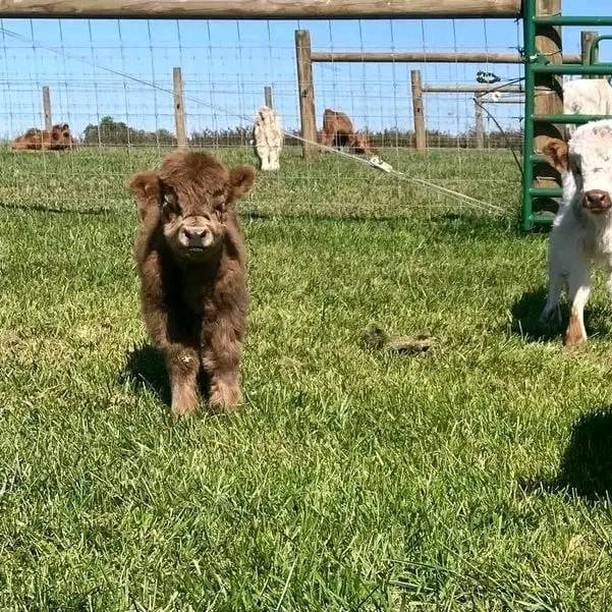
Mini Highland Calves for Sale: Crate Training Tips
When you want to buy Mini Highland Calves for sale you need to think about more than how they look or how big they’re. The health and behavior of Mini Highland Calves are really important for how they will do, in the long run.
One big thing to consider when raising Mini Highland Calves is teaching them to use a crate. This is important because it helps keep Mini Highland Calves safe and makes them easier to handle. It also makes it easier to move Mini Highland Calves from one place to another even if you have to send them to another country.
For people who buy Mini Highland calves from over the world learning how to crate train Mini Highland calves is just as important as buying Mini Highland calves that are healthy. This guide will give you tips, on how to raise Mini Highland calves that are strong and well behaved so Mini Highland calves can do well on your farm or small farm.
Why Crate Training Matters for Mini Highland Calves
Crate training is really important when you are raising Mini Highland calves. When you buy Mini Highland Calves for Sale you need to make sure Mini Highland Calves for sale adapt well to being around people going for rides and doing things on the farm. Training Mini Highland Calves for sale to use a crate is good, for the Mini Highland calves and the people who own them.
Benefits of Crate Training
-
Reduces stress during transport
-
Simplifies veterinary care and routine checks
-
Improves safety for handlers and other animals
-
Encourages good behavior from an early age
The calves can get used to places really quickly with this. It makes the calves adjust to environments faster. This is very good, for the calves because they can get used to environments faster.
When people buy Mini Highland calves from countries it is a good idea to use crate training. This helps the Mini Highland Calves for Sale stay calm and healthy when they are being shipped. This is really important when the Mini Highland calves have to travel to a country, with different weather and rules.
Preparing Your Crate for Mini Highland Calves
Before you start training your calves with a crate you need to make sure the environment is safe and comfortable. Crate training only works if the calves feel safe and happy.
Choosing the Right Crate
-
Crate should be big enough to stand, turn around, and lie down
-
Ensure proper ventilation to prevent heat stress and breathing issues
-
Use durable materials for safety
-
Choose a crate that is easy to clean to reduce infections
Bedding and Comfort
-
Use soft, dry straw or wood shavings to prevent slipping and injuries
-
Regularly replace bedding to maintain hygiene
-
Ensure non-slip flooring to prevent strain and injury
When selling Mini Highland Calves for Sale internationally, pre-conditioning them in a comfortable crate improves their adaptability to transportation crates during shipping.
Step-by-Step Crate Training for Mini Highland Calves
Crate training is a process that requires patience, consistency, and positive reinforcement.
Step 1: Introduce the Crate
-
Place the crate in a quiet, familiar area
-
Allow calves to explore without pressure
-
Reward with treats or gentle praise
Step 2: Short Training Sessions
-
Start with 5–10 minutes inside the crate
-
Gradually increase time as calves become comfortable
-
Monitor for stress signs like vocalization or restlessness
Step 3: Establish a Routine
-
Crate calves at consistent times each day
-
Include feeding or resting times in the crate to create positive associations
Step 4: Handling and Movement
-
Gently guide calves into the crate using a halter or lead rope
-
Avoid forcing calves inside
-
Practice walking calves in and out to prepare for transport
Feeding Tips During Crate Training
Nutrition is crucial for successful crate training. Healthy Mini Highland Calves for Sale adapt faster and remain strong.
Balanced Diet
-
High-quality hay and pasture access
-
Clean water at all times
-
Free-choice minerals appropriate for the region
Feeding Schedule
-
Feed before crate sessions to prevent stress
-
Avoid overfeeding before transport
-
Monitor weight and growth to adjust feeding plans
Health and Disease Prevention
Healthy calves are easier to handle and crate train effectively.
Vaccinations
-
Clostridial vaccines
-
Respiratory disease protection
-
Region-specific vaccines per country regulations
Parasite Management
-
Internal parasites: fecal testing and strategic deworming
-
External parasites: grooming and clean bedding
Clean Environment
-
Keep crates and pens free of manure and mold
-
Provide ventilation and shelter from extreme weather
Handling Stress During Crate Training
Stress can affect behavior and health. Reducing stress is key for successful training.
Stress Reduction Techniques
-
Gentle handling and calm voice commands
-
Short, consistent training sessions
-
Social companionship with other calves if possible
-
Allow free play outside the crate
Seasonal Considerations
Training and calf care can vary with seasons.
Winter
-
Provide insulated bedding and wind protection
-
Adjust feeding to increase energy intake
-
Limit exposure to cold drafts during crate sessions
Summer
-
Ensure adequate shade and ventilation
-
Provide cool water at all times
-
Avoid training during peak heat hours
Preparing Mini Highland Calves for International Shipping
Proper crate training ensures safe and low-stress transport.
Pre-Shipping Checklist
-
Veterinary health certificates
-
Up-to-date vaccinations
-
Quarantine and observation for at least 2–4 weeks
-
Gradual crate adaptation to shipping conditions
Long-Term Benefits of Crate Training
Proper crate training benefits both calves and owners.
Advantages
-
Easier handling for feeding, grooming, and medical care
-
Reduced risk of injury during transport
-
Improved calf behavior and temperament
-
Higher survival and growth rates in new environments
Crate Training Equipment and Accessories
Using the right equipment enhances safety and training effectiveness.
Recommended Accessories
-
Halters and lead ropes
-
Soft bedding for comfort
-
Treats for positive reinforcement
-
Non-slip mats for crate floors
Frequently Asked Questions About Crate Training Mini Highland Calves for Sale
Q1: How long does crate training take?
A: It can take 2–6 weeks with daily practice. Patience is essential.
Q2: Can crate training hurt the calves?
A: No, if done slowly with proper care, it is safe and reduces stress.
Q3: Are crate-trained calves easier to ship internationally?
A: Yes, they remain calm, reducing stress and injury risk during transport.
Our Commitment
-
Ethical breeding and care
-
Expert crate training guidance
-
Health screening and vaccination support
-
Export documentation and international shipping assistance
Our Mini Highland Calves are raised to adapt easily to farms worldwide, making them ideal for small and large-scale farms alike.
Final Thoughts on Crate Training Mini Highland Calves for Sale
Raising Mini Highland calves requires attention, and crate training is a crucial part. Proper training ensures calves are healthy, calm, and easy to handle, making them ideal for buyers worldwide. Following these tips guarantees happy, healthy calves ready for life on your farm—anywhere in the world.
No comment