
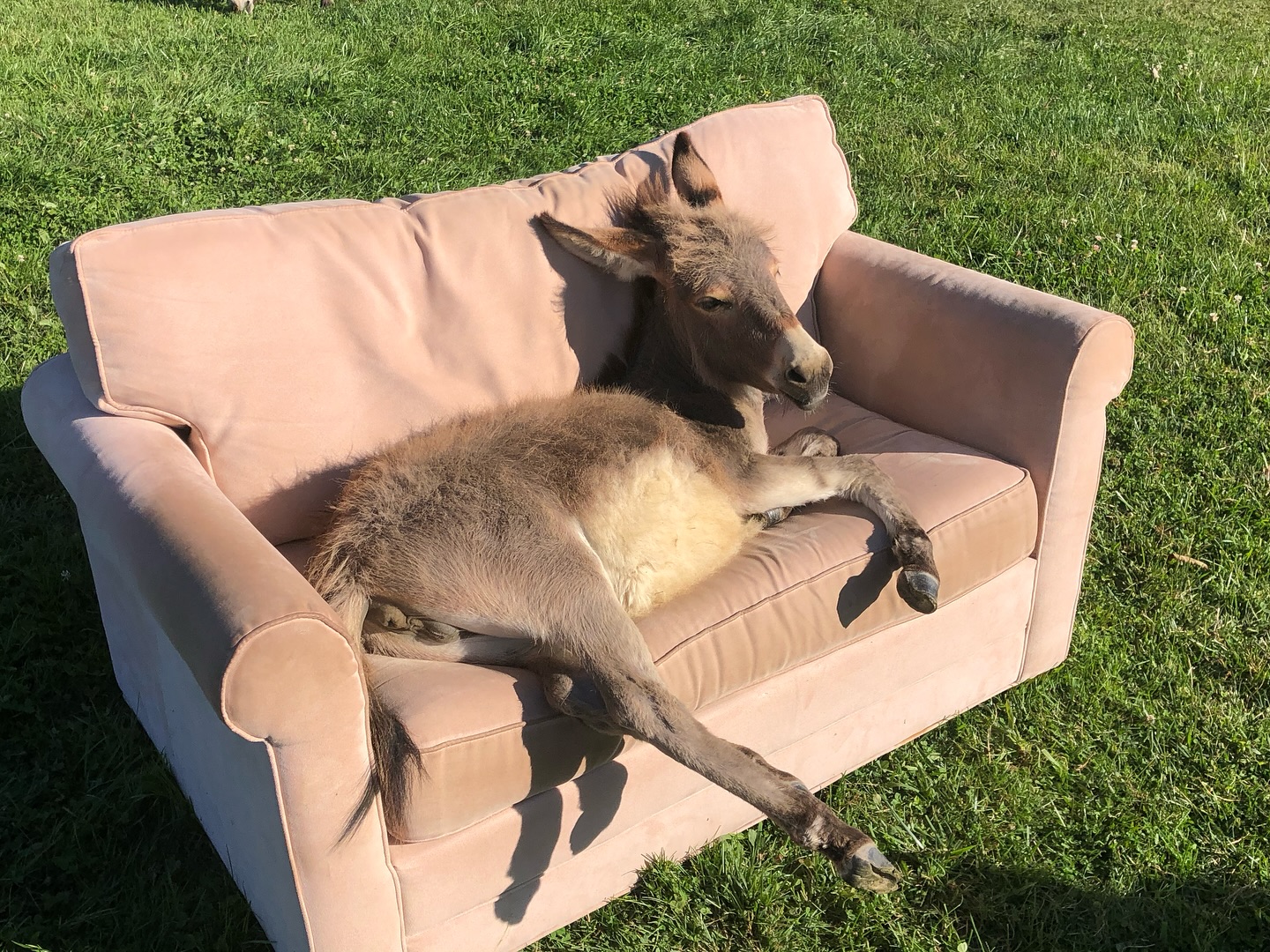
Donkey Miniature for Sale: Pasture Requirements
Worldwide donkey miniature for sale are becoming more favored due to their appeal, cleverness, and calm nature. Their advantages are recognized by families, small-scale farmers, educational initiatives, and therapy facilities, all of whom appreciate these creatures.
When thinking about getting a donkey, it’s important to grasp Donkey Miniature for Sale: Pasture Requirements. Effective pasture care guarantees the donkey’s well-being, comfort, and consistent productivity. This manual will guide you through methods for prepping pastures, fencing, feeding, and different worldwide considerations to remember when buying donkeys.
The Importance of Pasture Needs for Miniature Donkeys
Health and Well-Being
Small donkeys require room to wander and feed. Ensuring their well-being is essential. Suitable grazing zones help reduce stress, encourage movement, and prevent obesity and other health problems.
For those obtaining Donkey Miniature for Sale: Pasture Requirements, it is essential to offer a nutrient-dense setting to ensure a content and flourishing donkey.
Socialization and Behavior
Being able to graze on pasture enables miniature donkeys to engage with animals, promoting social growth and reducing behavioral problems. Initial contact with pasture aids donkeys in adjusting to various environments and schedules.
Ideal Pasture Size for Miniature Donkeys
General Guidelines
A spacious field provides donkeys the freedom to graze, roam freely, and stay healthy.
-
Minimum space per donkey: 0.5–1 acre per miniature donkey
-
Optimal space for multiple donkeys: 1–2 acres per animal to prevent overcrowding
-
Rotation: Rotational grazing supports pasture vitality and avoids overgrazing
Anyone intending to buy Donkey Miniature for Sale: Pasture Requirements should design their pastures based on the quantity of donkeys and the prevailing climate in their area.
Factors Affecting Pasture Size
-
Soil quality and forage growth
-
Climate and seasonal variations
-
Presence of other livestock or pets
Fencing and Shelter Requirements
Fencing
Reliable fencing is crucial for safeguarding donkeys and preventing escapes. Suggested fencing types include:
-
Height: Minimum 4–5 feet
-
Material: Wooden fences, vinyl, or electric fencing designed for donkeys
-
Maintenance: Regular inspection for damage and safety hazards
Adequate fencing is a key consideration for individuals looking to purchase Donkey Miniature for Sale: Pasture Requirements, particularly on farms housing several animals.
Shelter
Even small donkeys require protection from weather conditions. Key points for their well-being include:
-
Three-sided shelter to block wind and rain
-
Bedding with straw or shavings for comfort
-
Adequate space for all donkeys in the herd
Pasture Nutrition and Forage Management
Ideal Pasture Plants
Miniature donkeys thrive on high-fiber forage. Optimal pasture vegetation consists of:
-
Grasses: Bermuda, Timothy, Fescue
-
Legumes: Clover, Alfalfa (limited amounts)
-
Shrubs: Safe, non-toxic plants for browsing
Supplemental Feeding
Although the pasture is properly cared for, donkeys might need additional feeding, especially in winter or dry spells. Keep in mind:
-
Hay: Grass or alfalfa-based
-
Mineral supplements: Salt blocks and trace minerals
-
Fresh water: Clean, accessible water at all times
Rotational Grazing
Alternating pastures avoids overgrazing, promotes plant development, and lowers parasite presence. This approach is advised for those purchasing Donkey Miniature for Sale: Pasture Requirements.
Health and Safety Considerations
Parasite Control
Effective pasture management is essential to avoid parasites. Practices include:
-
Rotating grazing areas
-
Regular deworming schedule
-
Frequent manure removal
Vaccinations and Vet Care
A maintained pasture lowers the chance of illness, but donkeys still need regular veterinary attention:
-
Vaccinations for tetanus, influenza, and rabies (regional requirements)
-
Hoof care every 6–8 weeks
-
Routine health checkups
Safe Pasture Environment
Eliminate hazards such as sharp objects, poisonous vegetation, or unstable barriers. Ensuring safety is essential for preserving the well-being and contentment of donkeys.
Special Considerations for International Buyers
Export and Import Regulations
When purchasing Donkey Miniature for Sale: Pasture Requirements internationally, compliance with health and import regulations is essential:
-
Veterinary health certificates
-
Vaccination and deworming records
-
Quarantine procedures, if applicable
Transportation and Preparation
Adequate preparation guarantees safe transportation:
-
Secure, ventilated crates
-
Minimal stress handling
-
Hydration and feed during transit
Local Pasture Adaptation
Donkeys moved from other locations may require a period to adjust to unfamiliar pastures. Buyers should:
-
Gradually introduce donkeys to local forage
-
Monitor for digestive issues
-
Adjust diet according to pasture quality
Selecting a Reputable Breeder
Ethical Breeding Practices
Choose breeders who focus on donkey health, offer documentation, and have extensive knowledge of Donkey Miniature for Sale: Pasture Requirements.
Transparency
A trustworthy breeder provides:
-
Health certificates
-
Pasture and feeding history
-
Guidance for international buyers
Experience with Global Shipping
Experienced breeders streamline import processes, ensuring a safe and smooth transaction.
Common Mistakes in Pasture Management
Overcrowding
When too many donkeys are confined to a small space, it may cause stress, poor health, and pasture damage.
Poor Soil and Forage Management
Neglecting soil fertility or failing to rotate pastures reduces forage quality and increases health risks.
Lack of Shelter
Even small donkeys need protection from weather; neglecting shelter may lead to distress and sickness.
Ignoring Parasite Control
Overlooking manure removal and rotational grazing increases parasite loads, impacting donkey health.
Advanced Pasture Management Tips
Fertilization
Test soil and apply organic fertilizer to maintain nutrient-dense pastures.
Seasonal Grazing Plans
Adjust grazing based on seasonal forage availability:
-
Spring/Summer: Maximize grazing time
-
Autumn/Winter: Provide supplemental hay and shelter
Integration with Other Livestock
Miniature donkeys can coexist with goats, sheep, or horses. Maintain appropriate stocking density and monitor for behavioral issues.
Caring for Your Miniature Donkey
Nutrition and Feeding
Provide a balanced diet with adequate fiber and trace minerals. Monitor body condition and adjust feed accordingly.
Regular Exercise
Even with pasture access, encourage light handling and training to maintain fitness and mental stimulation.
Social Interaction
Donkeys thrive in social settings. Ensure there is at least one companion, either another donkey or a suitable species, within the group.
Global Availability of Miniature Donkeys
We provide donkeys for purchase worldwide, serving clients in North America, Europe, Asia, Africa, Australia, and the Middle East. Each donkey is accompanied by paperwork, including:
-
Veterinary health certificates
-
Vaccination and deworming records
-
Pedigree and breed registration papers
For buyers focused on Donkey Miniature for Sale: Pasture Requirements, our team offers guidance on pasture preparation, shipping, and international regulations to ensure a smooth transaction.
FAQs About Miniature Donkey Pastures
How much pasture space is necessary for a donkey?
A minimum of 0.5 to 1 acre per donkey is recommended, with access to grazing areas.
What type of shelter is necessary?
A three-sided shelter with bedding is ideal for weather protection.
Can miniature donkeys share pastures with other animals?
Yes, but ensure compatible stocking density and monitor for behavioral issues.
Is it possible to export donkeys worldwide?
Yes, we provide full documentation, medical certificates, and safe shipping protocols globally.
Conclusion
Correct pasture arrangement is crucial when acquiring miniature donkeys. Knowing the Donkey Miniature for Sale: Pasture Requirements helps owners ensure the well-being, safety, and contentment of their donkeys.
Choosing a breeder experienced in global shipping guarantees that donkeys arrive prepared for homes locally or abroad, equipped with all paperwork and advice on pasture care.
Providing grazing land, shelter, nutritious diet, and veterinary attention creates an ideal environment for your miniature donkey, ensuring your investment remains beneficial for years.
By following Donkey Miniature for Sale: Pasture Requirements, you ensure your donkey enjoys optimal health, happiness, and longevity, whether for family, farm, or therapy purposes.
No comment