
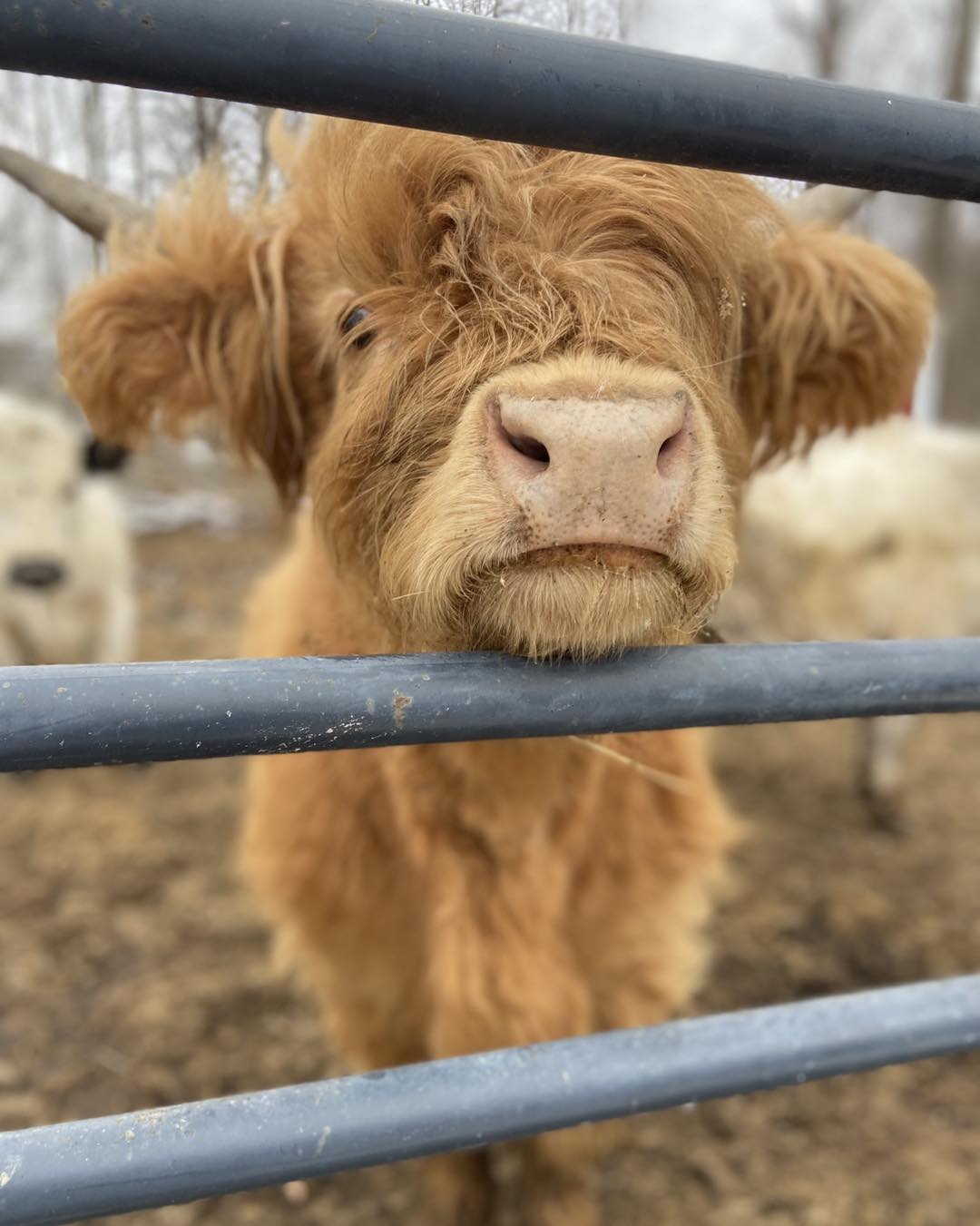
Mini Donkeys for Sale: Halter Training Tips
Mini donkey for sale rank among the delightful and loving small livestock globally. Their gentle temperament, versatility, and deep connection with people have led to a growing interest from families, hobby farmers, educational farms, and therapy initiatives.
If you plan to buy donkeys, understanding effective halter training is essential. Using the techniques guarantees your donkey remains calm, obedient, and manageable. This article covers all you should know about Mini Donkeys for Sale: Halter Training Tips, including age factors, detailed training steps, frequent errors, and international shipping advice for purchasers.
Why Halter Training is Essential for Mini Donkeys
Safety and Handling
Miniature donkeys are tempered creatures, yet even small farm animals can turn challenging to handle without appropriate training. Halter training guarantees:
-
Safe handling for owners and handlers
-
Easier grooming and medical care
-
Smooth transport for local and international buyers
When looking into Mini Donkeys for Sale: Halter Training Tips, purchasers need to recognize that beginning training and maintaining consistency greatly simplifies all other care routines.
Early Socialization
Halter training functions as a method of socialization. Mini donkeys familiar with wearing a halter and obeying instructions tend to develop closer connections with their new owners.
Acquiring a donkey from a trusted breeder who focuses on halter training is essential. Those looking for Mini Donkeys for Sale: Halter Training Tips around the globe will find it helpful to choose donkeys that are somewhat trained and prepared for living at home.
Best Age for Halter Training
Weanlings (3-12 Months)
The ideal time to begin halter training is during the time your donkey is a weanling. Between 3-12 months of age, donkeys are inquisitive, flexible, and open to grasping skills.
Benefits of halter training during this stage include:
-
Easier adjustment to new handlers
-
Lower stress during training
-
Improved long-term handling skills
Yearlings (1-2 Years)
Yearlings are also capable of being trained to wear halters. During this stage, donkeys are more robust and self-reliant yet remain young enough to grasp instructions and adhere to schedules.
For purchasers seeking Mini Donkeys for Sale: Halter Training Tips, choosing donkeys within this age bracket guarantees they possess sufficient strength for travel yet remain receptive to training.
Adult Donkeys (2+ Years)
While mature donkeys can be taught, they might demand patience. Adults frequently have established behaviors, making steady training practices crucial.
When buying adult donkeys, make sure your breeder is skilled in halter training to reduce stress throughout the adjustment period.
Essential Equipment for Halter Training
Choosing the Right Halter
Selecting the appropriate halter is critical for safe and effective training. Consider the following:
-
Size: Halters should be tight enough to stay secure but not so tight as to cause pain.
-
Material: Depending on your choice, halters made of leather, nylon, or rope are appropriate.
-
Durability: Robust halters prevent breakouts or harm.
Lead Ropes
A lead rope that is both gentle and durable is crucial. During training, ropes measuring 8 to 12 feet are perfect because they offer length yet allow for proper control.
Treats and Rewards
Encouragement through reinforcement speeds up the learning process. Offering treats such as bits of apple, carrot, or feed suitable for donkeys can inspire your donkey during Mini Donkeys for Sale: Halter Training Tips lessons.
Step-by-Step Halter Training Guide
Step 1: Familiarization
Prior to placing a halter on your donkey, permit it to investigate and smell the halter. Allow the donkey to get accustomed to the item.
-
Hold the halter near their nose
-
Incentivize composed conduct
-
Avoid forcing the halter too quickly
Step 2: Introducing the Halter
After your donkey is at ease with the halter, carefully set it onto their head.
-
Loosen the straps to avoid pressure
-
Make sure it sits snugly behind the ears and over the nose
-
Reward immediately for calm behavior
Step 3: Leading Basics
Once your donkey has the halter on:
-
Attach the lead rope and encourage gentle movement
-
Begin with short sessions, gradually increasing distance
-
Use treats and verbal praise to reinforce correct behavior
Step 4: Teaching Commands
Mini donkeys react positively to steady signals and gestures. Typical instructions consist of:
-
“Walk” – proceed ahead
-
“Whoa” – stop
-
“Back” – step backward
Consistency is key to effective halter training.
Step 5: Handling Challenges
Properly trained donkeys might occasionally show resistance. Frequent problems consist of:
-
Pulling away or resisting the halter
-
Neck flicking
-
Refusal to move
Patience, repetition, and positive reinforcement solve most challenges. For buyers focused on Mini Donkeys for Sale: Halter Training Tips, knowing these techniques ensures training success.
Advanced Halter Training Techniques
Desensitization
Introduce your donkey to different settings and stimuli while it has the halter on. This lowers fear and boosts adaptability.
Leading Over Obstacles
Slowly incorporate challenges, like branches, rough ground, or barriers. This builds confidence and compliance.
Trail and Farm Work Preparation
When your donkey is intended for therapy, farm help, or trail work, begin with tasks right away. This encourages confidence and strengthens halter training.
Common Mistakes to Avoid
Forcing the Halter
Do not push the halter on forcefully, as this may induce fear and opposition. Let the donkey become accustomed to it slowly.
Inconsistent Commands
Mixed verbal or bodily signals bewilder your donkey. Uniformity is crucial for training.
Neglecting Short Sessions
Training periods ought to be brief and regular. Extended sessions can exhaust the donkey and lessen efficiency.
Ignoring Rewards
Positive reinforcement is essential. Donkeys react favorably to incentives rather than penalties.
Caring for Your Donkey During Training
Proper Nutrition
A nutritious diet guarantees your donkey maintains energy and concentration while training. Hay, grazing, and supplements suited to their age are crucial.
Shelter and Housing
Donkeys require shelter from weather conditions. A three-walled enclosure with bedding is effective for training purposes and everyday care.
Health Maintenance
Routine veterinary examinations, immunizations, and hoof maintenance ensure your donkey remains in peak health. Maintained donkeys adapt more effectively to Mini Donkeys for Sale: Halter Training Tips.
Socialization
Donkeys thrive in social settings. Having them alongside another donkey or a suitable farm companion promotes good behavior during training sessions.
Selling Mini Donkeys Worldwide
We take pride in providing donkeys for purchase worldwide, serving customers in North America, Europe, Asia, Africa, Australia, and the Middle East. Every donkey is supplied with paperwork, including:
-
Veterinary health certificates
-
Vaccination and deworming records
-
Breed registration and pedigree documentation
For purchasers, we offer advice regarding shipping, quarantine, and customs regulations. Each donkey is prepared for transit, guaranteeing that your Mini Donkeys for Sale: Halter Training Tips work well from the very beginning.
How to Select a Reputable Breeder
Ethical Breeding
Ethical breeders focus on the well-being of animals, feeding, and initial halter training.
Transparency
Reliable breeders provide details on age, health status, and training background. This is essential when looking for Mini Donkeys for Sale: Halter Training Tips globally.
Global Shipping Experience
Breeders experienced in shipping streamline the import procedure, covering permits, health papers, and secure transportation.
FAQs About Halter Training Mini Donkeys
At what age is it ideal to begin halter training?
For adaptability, we suggest beginning with weanlings (3-12 months) or yearlings (1-2 years).
Is it possible to train adult donkeys to wear halters?
Indeed, however adults might need increased patience and steady instruction.
How long does halter training take?
Most donkeys grasp commands in 2-4 weeks through brief, regular training sessions.
Do you export donkeys overseas?
Yes, we offer shipping accompanied by complete paperwork, health certificates, and quarantine instructions.
Conclusion
Mastering halter training methods is crucial for every donkey owner. Grasping the concepts of Mini Donkeys for Sale: Halter Training Tips will help guarantee your donkey remains secure, well-behaved, and self-assured.
Buying from a trusted breeder who specializes in training and worldwide delivery ensures that your miniature donkey is prepared for domestic living and overseas travel.
Our donkeys are distributed globally, accompanied by paperwork, ethical breeding practices, and expert assistance, enabling purchasers to have a seamless and prosperous experience.
By following Mini Donkeys for Sale: Halter Training Tips, you invest in a companion that is well-trained, healthy, and ready to bring years of joy, productivity, and companionship to your farm, family, or therapy program.
No comment